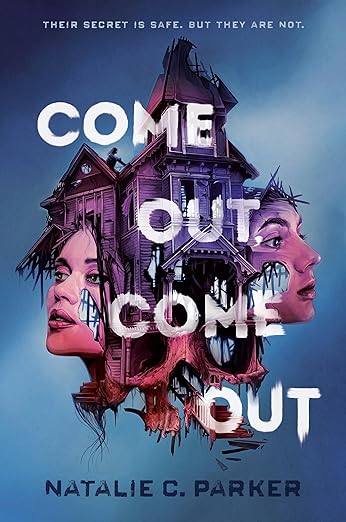
Book Description
It’s never been safe for Fern, Jaq, or Mallory to come out to their families. As kids their emerging identities drove them into friendship but also forced them into the woods to hide in an old, abandoned house when they needed safety. But one night when the girls sought refuge, Mallory never made it back home. Fern and Jaq did, but neither survivor remembered what happened or the secrets they were so desperate to keep.
Five years later, Fern and Jaq are seniors on the verge of graduation, seemingly happy in their straight, cisgender lives—until a spirit who looks like Mallory begins to appear, seeking revenge for her death, and the part Fern and Jaq played in it. As they’re haunted, something begins to shift inside them.
They remember who they are.
Who they want to love.
And the truth about the vicious secrets hiding in their woods.
This delightfully dark and pointed novel calls out the systems that erase gay and queer and trans identity, giving space to embrace queerness and to unleash the power of friendship and found family against the real monsters in the world.
My Review
This book felt like two separate books: there’s the horror component, and then there’s the queer closeted teen component as well. Now, queer horror is a well-established genre, so there’s no reason why the two themes can’t work well together, but as a whole, it’s a bit disjointed.
Both protagonists are likeable: Fern is the last of a series of flower-named sisters, and it is FINALLY her turn to be the lead in the school musical, but gender-blind casting for Grease throws her for a loop. Meanwhile, Jaq has been dating John for a few years, and they are supposed to go to Baylor together, but Jaq wants to make her own decisions.
On the horror side of the plot, there’s some creepy local lore about a benevolent patron in the woods who grants wishes, but be careful what you wish for— sorry not sorry about the cliche.
I always feel bad about saying this, but I think the book would make a lot more sense if it was a limited series. There would be much more room to flesh things out and the flashbacks and narrative shifts would make a lot more sense. There would be plenty of room for both of the plot components to shine.
I would recommend Come Out, Come Out. This book has a solid foundation, and it is very supportive of the queer community.
I received a digital ARC of this book from Penguin/NetGalley.
 "You Have Your Hands Full!"